John writes to ask about the word ‘noisome’? Does it (he asks) have anything to do with noise? The answer is: not originally. From the 1500s onwards ‘noisome’ meant a bad smell. If it really ponged it was ‘noisome’. What makes it confusing is that in ‘noisome’ the first syllable is connected not to loud sounds but to our word ‘annoy’. So from the earliest days (the 1300s) anything that was annoying or troublesome was ‘noisome’. But over the centuries this meaning narrowed down to refer to just one source of annoyance – a horrible smell. And this was the standard meaning from the 1500s until today (and for educated people it still is). But from 1925 it took on the addition meaning ‘an annoying noise’ – imposed on it by people who were ignorant of its history and meaning. This secondary meaning was expressed in a 1927 novelty song ‘What Noise Annoys an Oyster?’ The answer, of course, was ‘a noisy noise annoys an oyster most’. Oh, and if you think the Albanese government is on the nose, you can now say it is ‘noisome’.
Speccie reader Jack writes: ‘I have found myself wanting to use the word “snark” recently. Where does that word come from?’ Well, as Jack probably knows, ‘snark’ means being irritable or grumbling (the adjectival form is ‘snarky’). It’s recorded only from 1989, but it seems to be a variation on a much older word ‘snork’ – a Germanic word which the Oxford describes as being ‘An imitative or expressive formation’. In other words, the very sound of the word ‘snork’ captures the grumbling, snorting, mumbling sound of irritable people – and it then changed (as words do) to become ‘snark’.
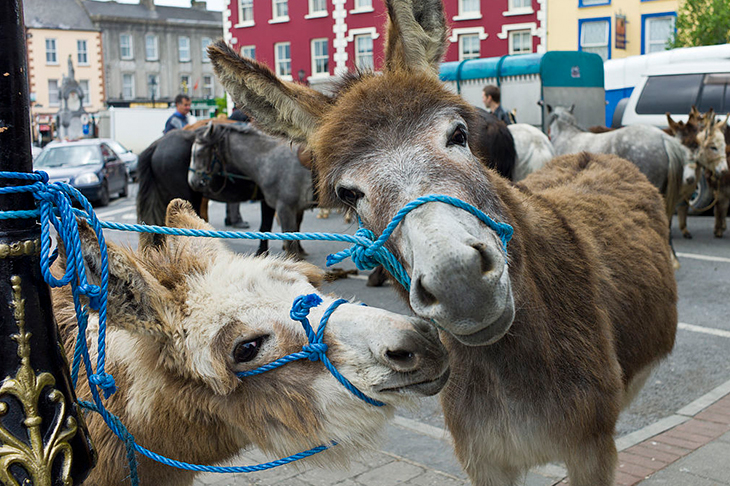
Phil writes to ask for the origin of the word ‘yonks’, as in ‘I have lived here for yonks’. The answer is slightly odd in the sense that it started off as a joke – a very modest little joke, but a joke, nonetheless. That’s because ‘yonks’ is a variation on another expression meaning a long time: ‘donkey’s years’. That arose from the jocular observation that donkey’s ears are long, so donkey’s years must be long. (Yes, you’re quite right – it was never a very funny joke.) This was then cut down – with the ‘y’ taken from ‘years’ and the ‘-onk’ taken from donkey to give us ‘yonks’.
Got something to add? Join the discussion and comment below.
Contact Kel at ozwords.com.au
You might disagree with half of it, but you’ll enjoy reading all of it. Try your first month for free, then just $2 a week for the remainder of your first year.