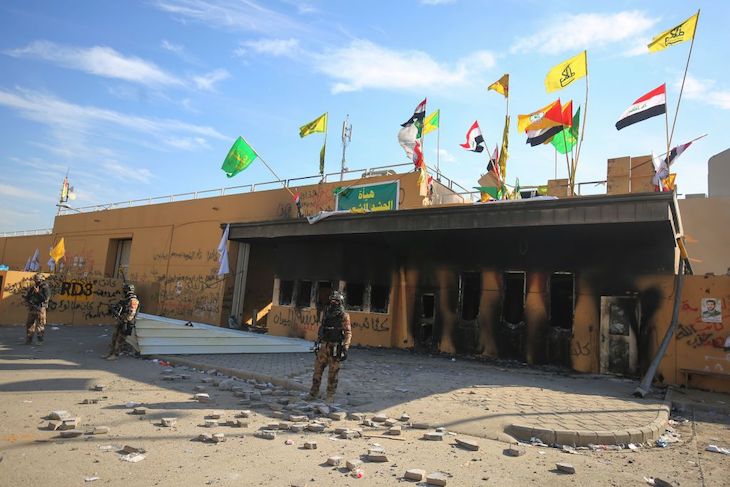
The Iranians are masters of asymmetrical warfare. They are masters at playing the grey areas. And so what you will see after the assassination of Qasem Soleimani, the head of the Iranian Quds Force, is a response. It may not be today. It may not be tomorrow. The Iranians will be very calculated in this. That response could be in Iraq, which runs the risk of being a battlefield in a proxy war. It could be against American targets almost anywhere. If you think back, we have even seen operations by Iranian backed groups for example, in Bangkok.
If this does get out of hand, it’s going to take a lot of work to try and manage this conflict. You could see emotions stirred across Asia, particularly in Muslim countries, including countries like Malaysia and Indonesia.
Iraq, if you look at the political landscape of the Middle East, is the natural place to fight out an American-Iranian proxy war. In terms of the Iraqi political leadership, this assassination has pushed them closer to Iran, and closer towards a forced withdrawal of US forces from Iraq. The Iraqi parliament is already discussing withdrawal because the United States clearly, whether justifiably or not, violated Iraqi sovereignty.
Dr James Dorsey is Senior Fellow at S. Rajaratnam School of International Studies. This article is an edited transcript of an interview he gave to CNA.