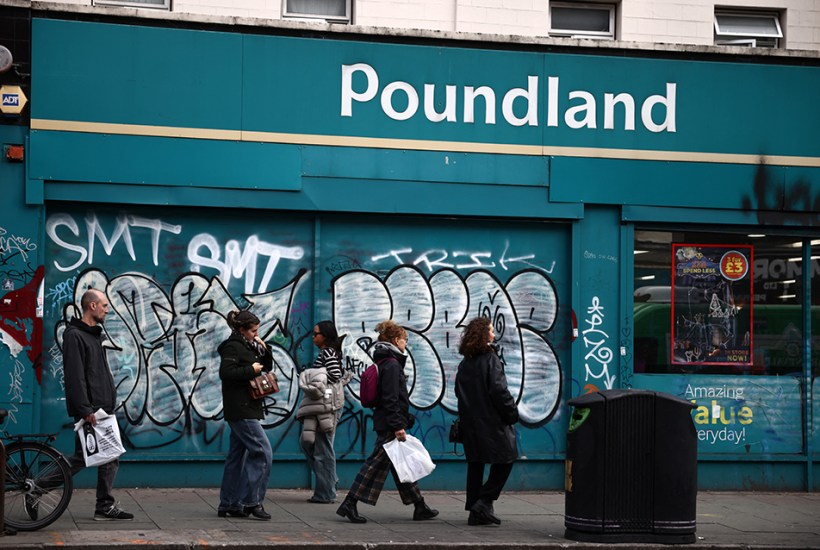
In a metaphorical sense, Poundland is us. We’re the land of the pound, but these days not much else: dwindling industries, failing public services, shrunken armed forces, Budgets that duck every difficult decision. We’re also a nation of half-shuttered high streets, in which Poundland bargain shops are in many places one of the few remaining points of brightness. So news that asset-strippers are seeking to force the 600-store chain into administration feels somehow symbolic of national weakness, with the added irony that government intervention to avert thousands of job losses is being led by Kate Dearden, whose title is ‘Minister for the Future of Work’.
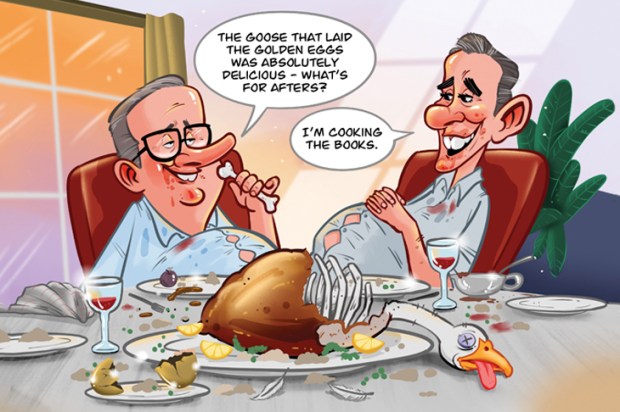
Poundland’s owner, Gordon Brothers of Boston, is an asset-sale specialist backed by Stone Point Capital, a private equity giant from Greenwich, Connecticut. Their plan seems to be to sell prime Poundland sites to the likes of Aldi and Iceland and close the rest – despite a ‘solvent offer’ for the whole business from an Irish bidder in partnership with current management and indications that it is still running at a profit.
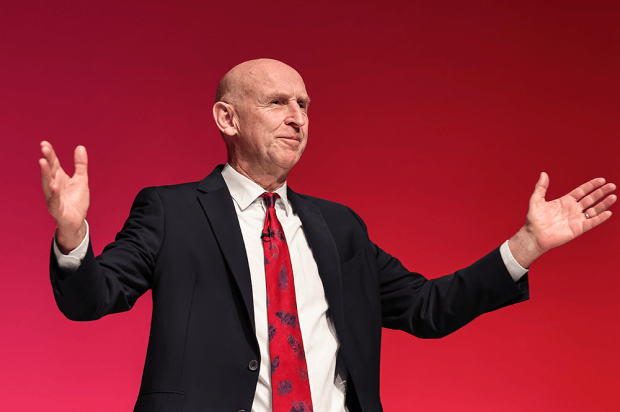
The story so far looks like US aggressors playing hardball with British insolvency law: let’s see whether the minister and her boss, Business Secretary Jonathan Reynolds, have the clout to deter them. Meanwhile, a tour of Gordon Brothers’ website reveals dozens of other UK asset bundles for sale, mostly under codenames. One of them is Project Crown, but I’m relieved to know they’re not trying to sell Windsor Castle: the business on offer is a dental laboratory supplier.
Founders’ giveaway
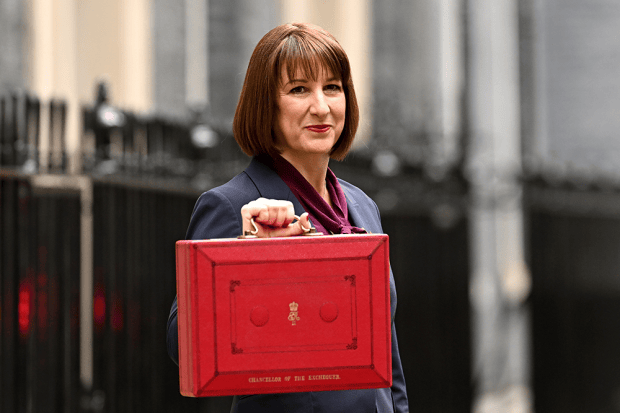
I had not planned to extend my comment on Chancellor John Healey’s first Budget beyond the opening jibe above. But I’m intrigued by his ‘founders’ relief’: a reduced capital gains tax rate of just 10 per cent on up to £10 million of lifetime gains for qualifying sellers of businesses. The measure was evidently designed to show support for hot-shot tech entrepreneurs – but it comes at the expense of smaller ventures and family firms whose access to ‘business asset disposal relief’ has been narrowed to pay for the giveaway, amid a complex set of other changes that will do little to help them.
The techies, meanwhile, have a new incentive to sell before they pass the £10 million threshold, rather than hanging in there to build British unicorns. How much better it would be to have an ultra-simplified, low-tax regime to encourage start-ups and small employers of all kinds. But chancellors can never resist tinkering and window-dressing.
Elegant chapeau
In August, I predicted Christine Lagarde might step down early as head of the European Central Bank to fill the vacancy for a credible centre-right French presidential candidate. Now she has confirmed she’ll resign in February, eight months ahead of her official ECB retirement date and one month before the nomination deadline for the April election. Is her elegant chapeau in the ring?
A poll of ‘favourite French personalities’ for Paris Match last month placed Lagarde above Marine Le Pen and far ahead of any other presidential wannabe; bizarrely, the supermarket tycoon Michel-Édouard Leclerc came top, perhaps reflecting a Gallic obsession with grocery shopping. Lagarde’s reputation also stands high in central banking circles and her innately anti-American countrymen were proud of her, earlier this year, for walking out of a tirade against Europe by US Commerce Secretary Howard Lutnick and challenging Treasury Secretary Scott Bessent’s downplaying of the inflationary impact of the Iran war.
But the indications are that, at 70 and having previously run the IMF and the French ministry of finance, Lagarde is no longer up for the political fight and would rather find freedom to express herself as chair of the World Economic Forum – the annual Davos gathering of elites who cling to the pre-Trumpian liberal consensus. That’s close to saying: ‘I’d rather do chat shows.’ In the current critical shortage of economically literate and recognisably sane global leaders, I pray she changes her mind.
World heist
Have you noticed how on-trend the word ‘heist’ has become? It usually means ‘an elaborately planned robbery from an institution’, yet the moral confusion of popular culture makes light of it, like casual shoplifting but on a more cinematic scale. Netflix offers a film selection headed ‘Who doesn’t love a heist?’ – and while you’re watching, why not order in from McDonald’s latest marketing wheeze, the World Heist Menu?
In that context, news that hackers last week heisted £4.7 billion in 20 minutes from Binance, the world’s largest cryptocurrency exchange, possibly to fund North Korea’s nuclear weapons programme, was largely greeted as the makings of a blockbuster movie plot. Maybe that’s because virtual money still seems unreal to anyone who has not yet parted with real cash to buy into it. But the scale of what we might call the world heist of crypto – the full toll of fraud, theft and bankruptcy since bitcoin and its ilk became a thing – is colossal.
An all-time top ten of physical heists from institutions tots up to about £1.7 billion, almost half accounted for by low-tech looting of the Central Bank of Iraq as Saddam fell. The known equivalent crypto-heist total was already at £2 billion before the raid on Binance, while investors on collapsed exchanges such as fraud-ridden FTX have probably been parted from £20 billion.
Binance says it has funds to cover clients’ losses. But it has also suffered a flood of investor withdrawals and its future must be uncertain. Another sermon from me on crypto’s threat to individual wealth and wider financial stability will deter none of its devotees. But let’s at least agree that a heist, whatever its form, is a serious real-world crime.
And with that thought, I must dash for a flight to Philadelphia, to find out how America copes with the midterm results.
Got something to add? Join the discussion and comment below.
You might disagree with half of it, but you’ll enjoy reading all of it. Try your first month for free, then just $2 a week for the remainder of your first year.