Remember what the teals were going to do? In 2022, they were going to change Australian politics. The Morrison government was on the nose, the old parties were exhausted, and a collection of clever, compassionate women would arrive in parliament to restore integrity, teach the blokes how to behave, and save the climate. There was even talk that they might hold the balance of power. We would have a Labor government, perhaps, but with an ethereal dose of teal sensibility to keep it honest. Just imagine the kind of politics we could have!
It’s not going so well, is it?
I said at the time, to anyone who would listen, that the teal wave was no more than left-wing populism. Nobody much liked the description. Populists were supposed to be noisy, crass people in red caps. The teals had good degrees, designer suits and offices within easy reach of excellent coffee. But for me, the ingredients were familiar enough: big money, colour and movement, dominance on social media and a few thrilling but empty slogans – Women! Integrity! Climate! The promise was that hard problems would disappear once the right people took charge. It was populism with the right chromosomes and nice stationery.
Labor won a majority, so the teals never got their balance of power. That was hardly their fault. It did, however, leave them with another opportunity. From the crossbench they could have supplied some of the serious input they claimed had been missing from Australian politics. They could have tested Labor’s plans against the lives of the people expected to pay for them. Four years on, what distinctive contribution have the teals made to the national conversation? Diddly-squat.
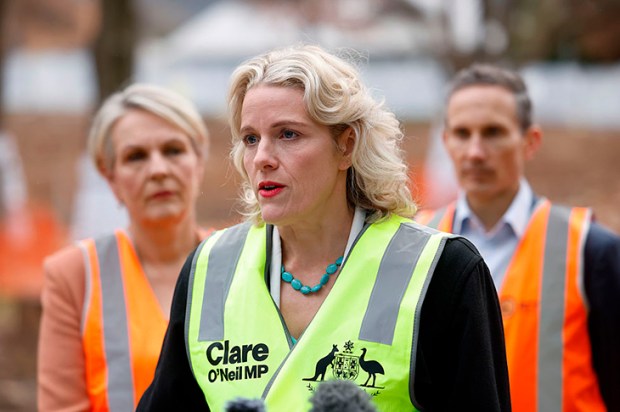
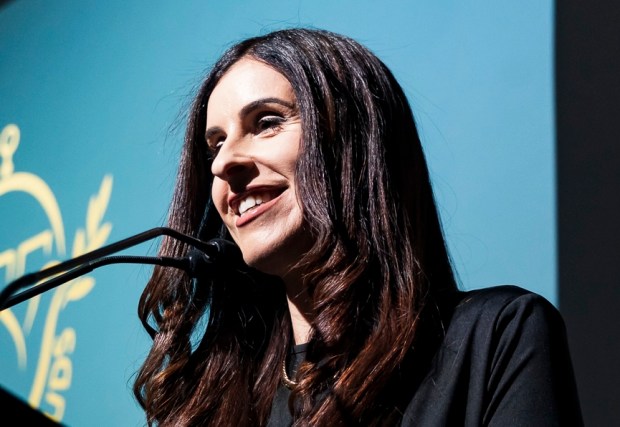
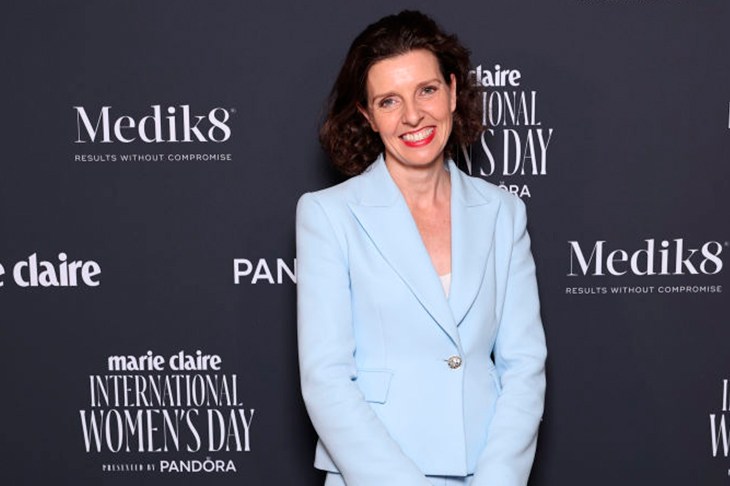
Allegra Spender’s tax adventure is instructive. Earlier this year she launched a white paper with considerable fanfare. She wanted to cut the capital gains tax discount from 50 to 30 per cent, impose a 27.5 per cent minimum tax on investment income and stop investors using losses to reduce the tax they pay on wages. This was presented as the kind of brave thinking the old parties were too timid to attempt.
Then Labor’s budget moved broadly in the direction she had urged. Its measures were different, and in some respects went further: the government replaced the CGT discount with indexation and a minimum tax on real gains, and restricted negative gearing on established residential property. Spender had proposed a different CGT scheme, with income tax cuts to offset the additional revenue. Even so, she was suddenly worried about shares, start-ups and investment. She demanded more consultation and declined to support the government’s bill.
Yet Spender’s own paper did not carve out shares and start-ups from her proposed CGT change. Those concerns arose rather late for someone who had her nose to the ground and had been urging a substantial change to the tax treatment of investment. Perhaps she learned something once she encountered the people who actually invest and build businesses. If so, good. But the so-called ‘different kind of politics’ ended with a whimper.
This is the trouble with the politics of abstraction. On paper there are workers and investors, houses and tax concessions, winners and losers. Out in the world, a worker may also be saving in shares; a young company needs someone willing to risk capital; and the people whose conduct you intend to change have an irritating habit of responding. Spender’s electorate of Wentworth, once Malcolm Turnbull’s seat, has a lot of such people. Spender tried to lead the conversation, but then, like all things teal, it ended with a thud when it reached contact with reality.
Energy offers the same lesson. For years the teals backed Labor’s overreaching energy transformation – indeed, they said it should go further – while treating questions about cost and reliability as signs of bad faith and an absence of integrity.
But electricity must still be generated when the wind stops and the sun goes down. The backup gets super expensive. The teals did not devise Labor’s energy policy, but they urged even greater ambition – and now it is nothing short of a disaster. Last week Spender responded to the Coalition’s energy announcement by declaring that ‘a slogan isn’t a plan’. Allegra, honey, you don’t say! This is the point that ought to have accompanied every teal corflute down New South Head Road in 2022.
Hayek could have told the laptop classes that the whole thing would be calamitous. Knowledge, and truth, he said, can be found among the people who have to live with a decision, rather than neatly assembled by central planners who announce it. The teals have always lived a long distance from the coalface of reality.
Now, most in their second terms, the teals have offered remarkably little beyond renewed assurances of their own good intentions. They can criticise the government while remaining its dependable fellow travellers on the biggest questions. They promote a tax reform, but retreat when caught in the headlights. They insist that someone else’s slogan is no plan, having been elected on three facile and utterly empty slogans of their own.
Now, in line with the times, Spender and Zali Steggall have founded Community Strong Australia. Strong! After years of preaching gentleness and independence from the old parties, they have formed a party and put strength in its name. Good luck with that one.
I am not predicting that every teal will lose her seat. Incumbency is powerful. However, Goldstein has already returned to the Liberals, and while economic management is top of mind for voters – even, and especially, in seats like Wentworth and Kooyong – there is a good chance others will follow. Back-to-basics economic management, national security and reliable, affordable energy are a good place to start for the Coalition, not only in the suburbs and regions, but the leafy seats as well.
The teals arrived promising a new kind of politics. Times have changed, in large part due to the failed promises, overreach, and relativism and abstractionism of the progressive left – of which they have been ardent proponents.
If you ask me, the teal deal is pretty much dead.
Got something to add? Join the discussion and comment below.
You might disagree with half of it, but you’ll enjoy reading all of it. Try your first month for free, then just $2 a week for the remainder of your first year.