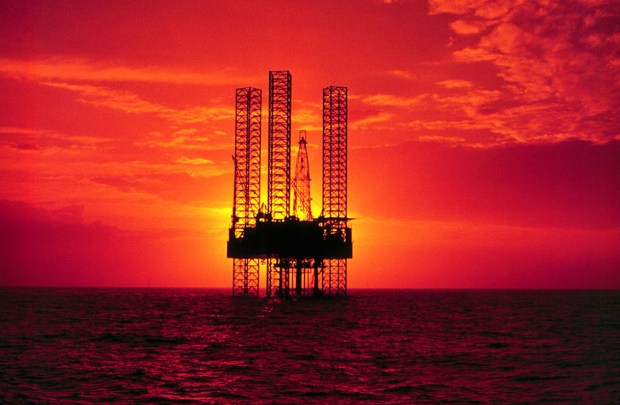
We are now paying the price after decades of demonising fossil fuels. The mythical fraudulent human-induced climate change ideology and resultant net zero policies led to the reduction in oil exploration at a time when Bass Strait oil production was rapidly declining from over 90 to 10 per cent of Australia’s requirements. Blind Freddy could see that Bass Strait oil must be replaced.
Australia has limited identified conventional oil resources which are being depleted at a faster rate than they are being replaced by new discoveries. At present, more than 80 per cent of Australia’s oil production is from the North West Shelf, almost all of which is exported to Asia because there is no refinery in Western Australia and union-controlled coastal shipping is too expensive for transport to eastern Australian refineries.
The US was a fuel importer until the shale oil fracking revolution. It took them 15 years to become a major fuel exporter concurrent with Australia suffering a deluge of environmental activism against fracking despite the safe fracking of over a million wells worldwide. Fracking could easily squeeze out more liquids and gas from the established oil fields containing sunk capital in the Gippsland, Surat, Cooper, Eromanga, Perth and Northern Carnarvon Basins.
Decades of demonising fossil fuels has consequences which governments have been warned about for decades. The only way to have fuel security is from domestic production. No longer can Australia depend upon imported liquid fuels using long, exposed supply lines and yet not have oil exploration, production and refining in Australia.
The Iran war is a temporary hiccup in fuel supply, and the government is waiting until hostilities are over and will continue the business of doing nothing rather than confronting reality. Australia spends more than $50 billion a year on fuel imports which could be replaced by local production thereby boosting the GDP, reducing debt and creating fuel security.
The Iran war has shown that liquid fuel supply is a national security priority. Mining, farming, agriculture, chemicals manufacture, freight and aviation need liquid fuel. Cars use only 30 per cent of supply. We import some 90 per cent of our liquid fuel requirements, mainly as refined products, and have two small operating refineries that need to import heavy crudes to blend with our local light sweet crudes for the production of diesel. Without diesel, Australia cannot feed or defend itself let alone earn income from exporting coal and iron ore.
Iran is the warning siren for a possible war in Asia. Australia’s refined fuel is imported from Singapore, Malaysia, South Korea and China with some 30 per cent of our aviation fuel imported from China. We are exposed to war, blockades and external political pressures. For example, BHP currently cannot export iron ore to China. What happens if China decides not to export liquid fuels to Australia? Our small fuel stocks provide for temporary supply difficulties but are insufficient for a long Asian war or blockades that cut off fuel supply overnight.
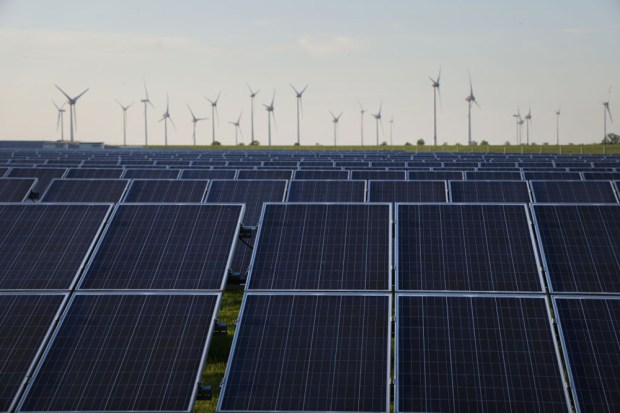
Have we have learnt nothing from the 1973 and 1979 oil crises which led to recessions? During the 1970s oil crises, France made an energy transition, went nuclear, built more than 50 reactors that now provide about 70 per cent of their electricity 24/7, and opened new uranium mines in Africa. Australia’s energy transition relies on the weather, destroys the environment, duplicates transmission lines, runs up debt and creates expensive unreliable electricity in place of the previous cheap reliable coal-fired electricity.
The Greens are very quiet about the current fuel shortage. Much of the blame for current fuel prices and shortages rests on their shoulders. Green politics has reduced exploration, production and local refining and increased investment risk. Both Coalition and Labor-Greens governments made a fundamental strategic mistake by ignoring the elephant in the room: liquid fuels are essential for the functioning of our nation and economy and are likely to remain so for many decades.
The electricity transition to sea breezes and sunbeams made no provision for a global crisis and does not grow the GDP. Net zero has added to Australia’s debt and led to an army of foreign, white shoe brigade spivs reaping subsidies and profits from over-expensive electricity while destroying the environment and productive farming land and leaving Australia exposed to the resultant fuel and food crises. Ideological government policies have consequences.
Australia is blessed with hundreds of years of energy from uranium, coal and gas, undiscovered conventional oil, and an additional estimated 13,430 million barrels of untapped oil from tight oil, shale oil, oil shale and basin-centred natural gas liquids. There are monstrous reserves of coal in eastern Australia yet they are demonised, especially the 800 years of brown coal reserves in the Gippsland Basin. These coals could be used in tried and proven coal-to-liquids processes such as Sassol, Fischer-Tropsch, Licella and Continuous Catalyst Regeneration. Such processes provided diesel and aviation fuel for Germany in world war two and kept the wheels of the South African mining and agriculture economy spinning during embargoes. When sea trade of refined oil was cut in world war one, Australia retorted mined oil shales in eastern Australia to produce liquid fuels. Huge reserves of oil shales remain in Queensland with smaller reserves in NSW and Tasmania.
We even have oil-bearing sedimentary basins in Australia awaiting modern exploration. For example, the offshore Bight Basin of South Australia and Western Australia is essentially unexplored for oil and gas. The Basin is a vast 800,000 square kilometres in area most of which is in offshore Commonwealth waters. A number of marine parks hug the shoreline in South Australian waters. Tar balls on Bight beaches have been known for a century suggesting submarine oil seepage. Organic-rich rocks and traces of oil in sedimentary rocks in the Ceduna Sub-basin have been observed in what was a previously unrecognised petroleum system. Natural petroleum leakage in the Bight Basin has not affected marine life and hence environmental objections have little substance.
A few exploration and stratigraphic wells were drilled between 1972 and 1993. The Basin has the right rocks of the right ages, contains petroleum and is under-explored. More than a decade ago the Norwegian company Equinor tried to undertake offshore seismic studies before drilling eight planned exploration wells on their granted exploration title. Environmental activism prevented exploration. The Basin is regarded as one of the world’s most prospective areas and estimates of 1.9 to 9 billion barrels of oil have been made yet environmental lawfare prevented exploration for the oil we desperately need today. Australia consumes just over 1 million barrels of liquid fuels a day and the proximal liquid fuel facility at Port Bonython makes the Basin even more attractive.
It’s time for politicians to ignore activist bureaucrats and be concerned about the long-term security of the nation rather than their re-election prospects. Power, prosperity, national security and survival flow from cheap local energy.
Got something to add? Join the discussion and comment below.
You might disagree with half of it, but you’ll enjoy reading all of it. Try your first month for free, then just $2 a week for the remainder of your first year.