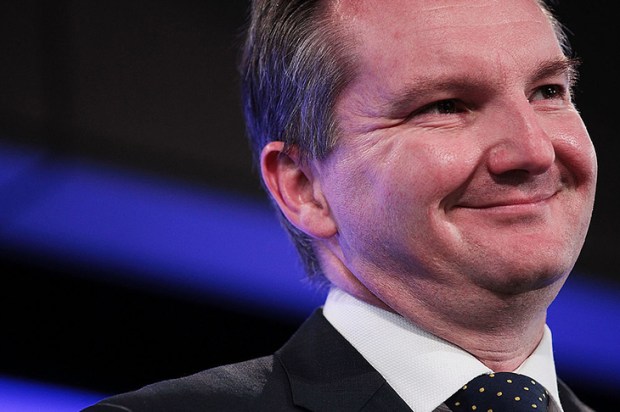
Peter Malinauskas and the Labor Party are going to win the South Australian election.
This much is obvious.
The reasons behind the flip-flopping state choosing to remain with Labor for another term are complex and won’t change before the weekend.
While the winner has been all-but decided, the opposition has not.
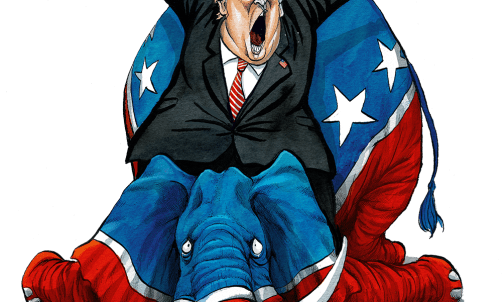
There is a heated debate in Australia’s conservative ecosystem about whether or not the Liberals might be pushed aside by One Nation.
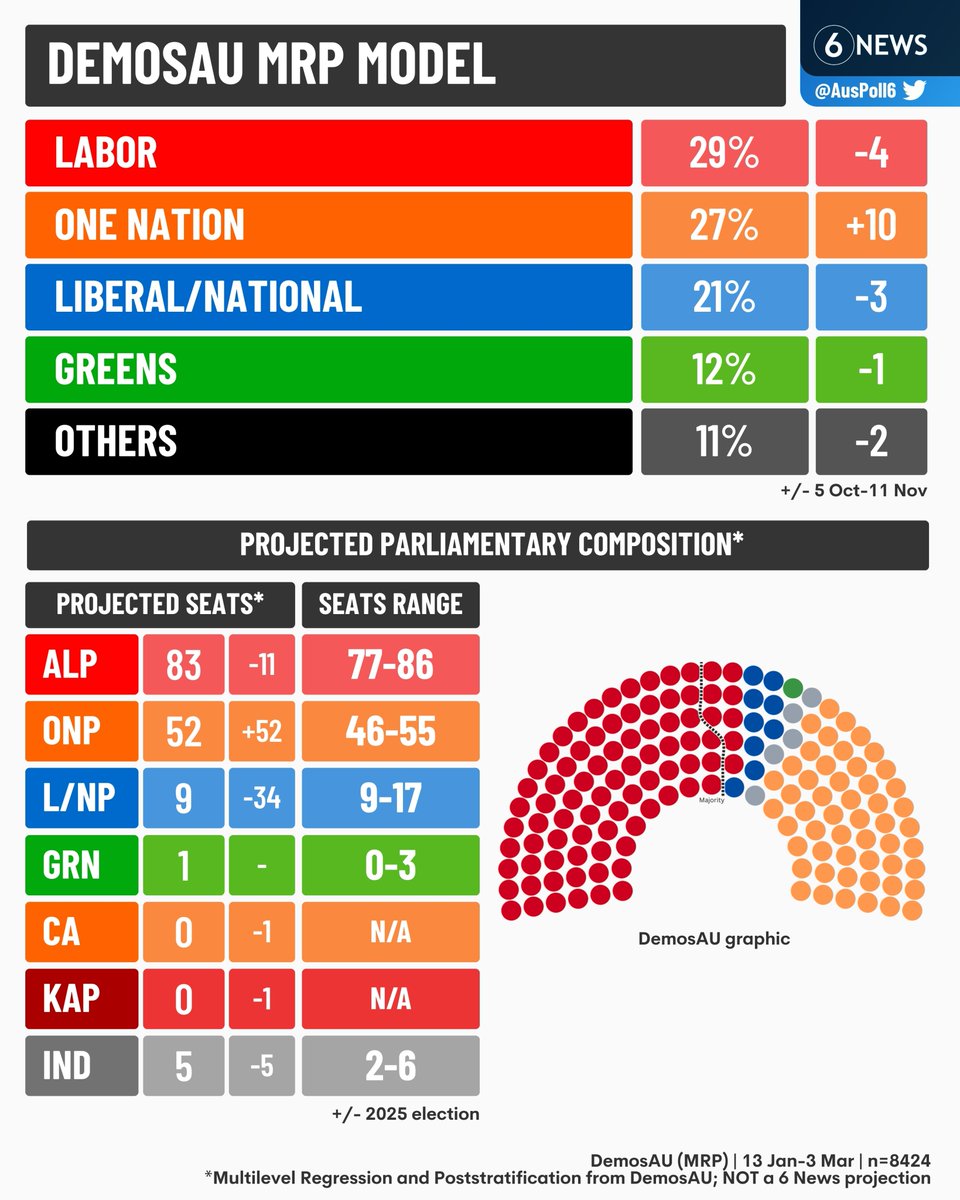
A poll from late in the week even suggests this might happen. That, to me, seems a little fanciful.
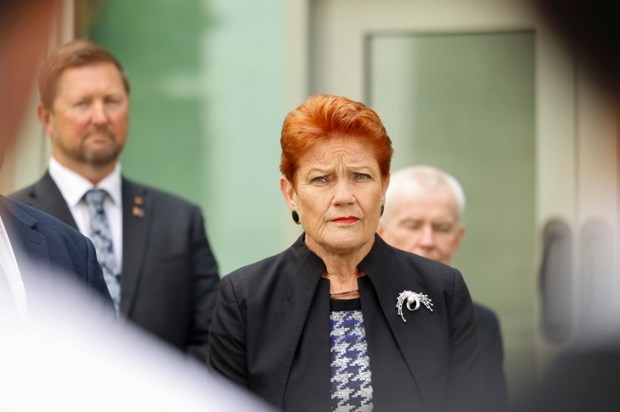
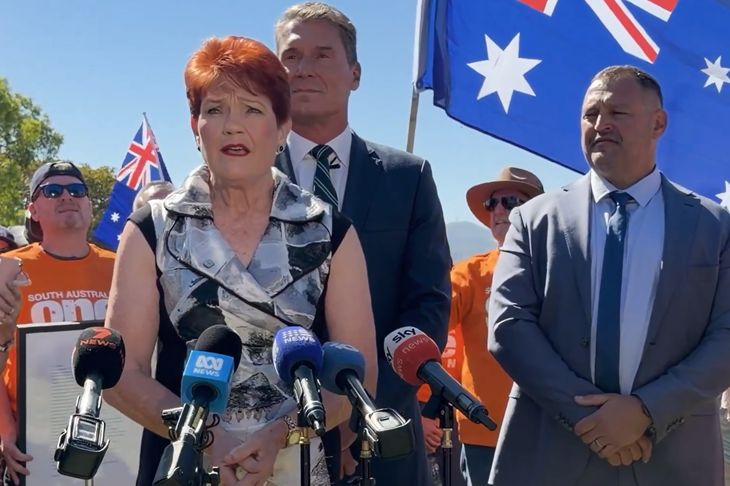
To be fair, One Nation has a significant branding advantage over the Liberals. Everyone knows the orange shirts, Pauline Hanson, Barnaby Joyce, and Cory Bernardi. It almost doesn’t matter that their candidates are fresh faces.
Ashton Hurn, the Liberal Leader, is new to the role. Attempting to find her party’s policies involved clicking through to a whole new ‘BrighterSA’ website with the catchphrase, ‘New priorities. Brighter future.’ It’s all very nice and anemic. A bit too wet. Mostly, these policies come off as meaningless thought bubbles that have been put through the focus group spin cycle too many times.
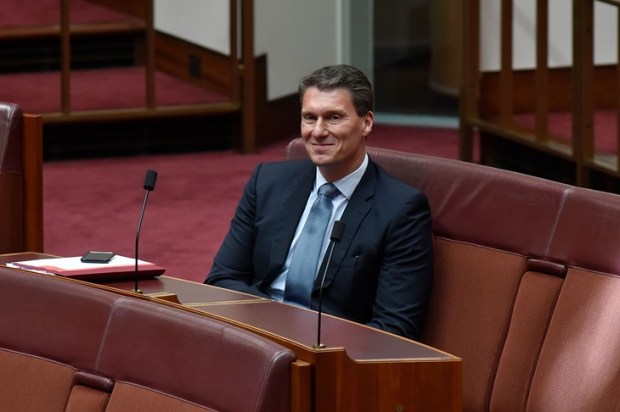
If you are a disaffected conservative South Australian looking for a leader to take the fight to Labor, the six-foot-five-built-like-a-war-horse Bernardi is a tempting choice.
A South Australian election is not normally the talk of the country, however, this is the first election to be held since One Nation’s huge poll figures started showing up in the aftermath of the Coalition splits and leadership shuffles.
And it will be fought on national unrest rather than state issues.
Housing. Migration. Crime. National Security. Islamic terrorism. Supply chain chaos. Energy prices… These are at the tip of the pen in the booth.
Outrageous projects such as the state-based Voice have certainly infuriated voters, but the fuel crisis and renewable energy disaster – that’s the hip pocket threat that flips votes.
Political analysts have had difficulty accounting for One Nation’s rise despite it sharing remarkable similarities with the New Left. The Teals and (activist) Greens maraud around the political scene toppling seats on a vibe. The Teals want to be saviours, and the Greens fantasise about victimhood and foreign causes. One Nation supporters are fed up. Their vibe is ‘tough love’, ‘get lost’, and ‘fix this mess’.
This sort of voting is emotional.
It is the usual state of politics.
We like to think of ourselves as sensible and clinical economic citizens casting votes for our bank balance, and sometimes we are, but this is not the natural state of global politics. Change for the sake of it is irrational, and yet It’s Time! and Whitlam were victorious. People cheer on terrifying revolutions. New Yorkers thought Mamdani was a good idea… Anything can happen and High Tower observation is rarely accurate.
On paper, this weekend will be a race between Labor and One Nation.
In reality, One Nation could be looking at two or three Upper House seats and maybe a couple of Lower House seats, although those will be tricky. Anything won will almost certainly be snatched off the Liberals.
This may seem disappointing for those envisioning an orange wave, but it would still be a victory and a raging endorsement of Cory Bernardi’s return.
One Nation does not have to deliver a landslide victory. It only needs to prove that the conservative base is moving toward the right. In contrast, any losses on the weekend for the Coalition will be seen as a bad omen for the new leadership team even though they have barely had time to sort out their offices let alone draft fresh policy.
Politics isn’t fair and One Nation has waited a long time for its rise. If the Coalition is caught short, the fault is theirs and the sympathy will be thin.
Preferences are going to be the fine print of this election.
No one knows if South Australians will do what they usually do at the voting booth and panic, placing a [1] next to the Liberals – or if they have finally had enough. The preference flows of the Liberal voters and minor conservative parties will make or break Lower House seats. If any of these are to flip blue-to-orange, it would take a moment of unusually robust faith at the polling booth. And yet, it remains possible.
There has not been a serious third-party contender since before the first world war. Polling would indicate One Nation is no longer a minor party. Nor is it a major party. It’s currently a disruptor.
If South Australia’s opposition morphs into a hybrid model, Malinauskas is going to have a tough time. The Coalition have often leaned further left than Labor and have given limp-wristed objections to the state-based Voice. One Nation has embraced its grievance and protest identity and, like the Greens, understands the value in strong opposition.
For his part, Malinauskuas has been more tactful than the federal Nationals. He has restrained himself from the usual Labor slurs and insults directed at One Nation and its supporters. Instead, he has tried to hack away at One Nation support by offering ‘sort of’ solutions to the loudest grievances.
All we have left to do is wait and see what South Australians do this weekend. Good luck!