Situation update
The Middle East conflict intensified dramatically on Tuesday, as Israel and Iran exchanged strikes across multiple fronts while regional powers scrambled to respond to a rapidly widening confrontation stretching from Lebanon to the Gulf.
The day began with reports of Iranian drone attacks far beyond the immediate battlefield. Overnight, two Iranian drones struck the United States embassy compound in Riyadh, Saudi Arabia. The building had been emptied of personnel and no casualties were reported, but the attack marked a significant escalation and drew swift condemnation from Riyadh, which warned it reserved the right to respond to the ‘aggression’. Separate reports suggested the attack in Riyadh may have struck more than diplomatic facilities. A suspected Iranian drone reportedly hit a CIA station operating within the US embassy compound, collapsing part of the roof and filling the building with smoke.
Around the same time, Iranian drones struck fuel depots at the port of Duqm in Oman, hitting infrastructure in a country that had been acting as a mediator in talks between Tehran and Washington. Another Iranian drone attack was reported against oil facilities at Fujairah in the United Arab Emirates, suggesting Tehran was seeking to impose economic costs on regional energy infrastructure.
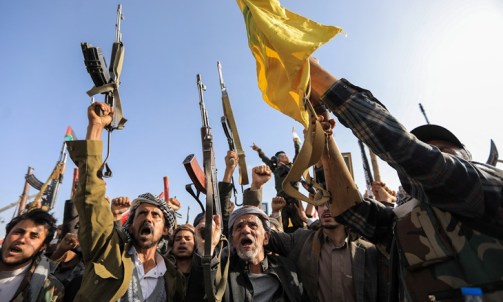
The conflict also intensified along Israel’s northern front. Hezbollah claimed responsibility for launching a swarm of suicide drones towards Israel’s Ramat David airbase early in the morning, targeting radar installations and command facilities. Israeli air defences intercepted at least two of the drones before they reached their targets.
Israel responded by expanding its campaign against Hezbollah. Israeli aircraft struck targets in the Dahieh district of Beirut after issuing evacuation warnings, including buildings associated with Hezbollah’s Al-Manar television network and other communications infrastructure used by the group’s intelligence apparatus.
At the same time, the Israel Defence Forces ordered evacuations across southern Lebanon, initially covering dozens of villages within five to 20 kilometres of the border and later expanding to roughly 90 communities, signalling preparations for further operations against Hezbollah positions.
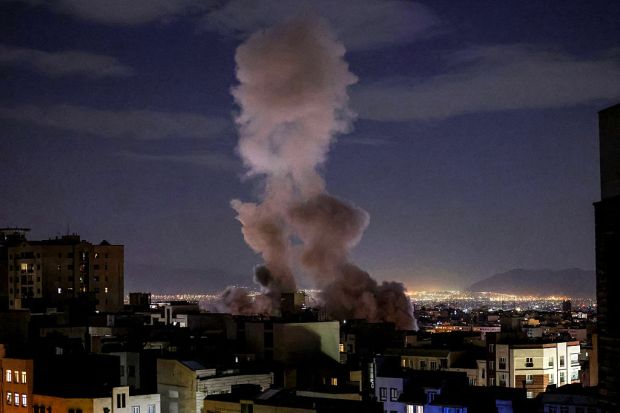
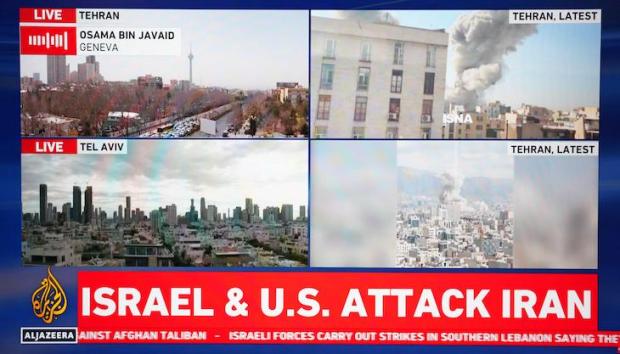
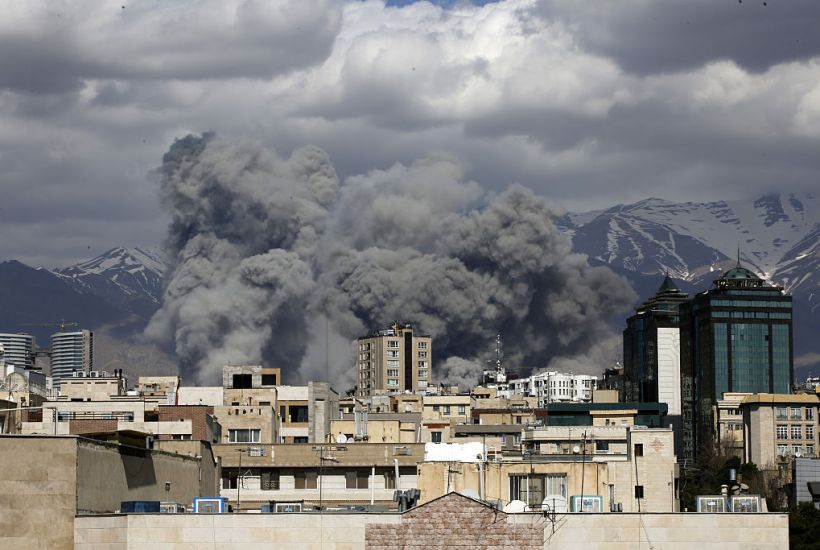
Meanwhile, the central theatre of the war remained Iran itself. Israeli and reportedly American strikes targeted facilities linked to Tehran’s missile programme, with explosions reported in Tehran and Isfahan and an aircraft destroyed on the runway at Mehrabad Airport. Western officials say that since Saturday allied forces have destroyed hundreds of Iranian ballistic missiles, launchers and drones. In a video statement, US Central Command commander General Brad Cooper said American forces had also sunk or disabled 17 Iranian vessels, leaving ‘not a single Iranian ship underway’ in the Arabian Gulf, the Strait of Hormuz or the Gulf of Oman. Social media footage circulated showing damage in central Tehran, including near Azadi Square, following the strikes. Iranian opposition sources also reported further attacks in Isfahan and other military-linked areas during the morning.
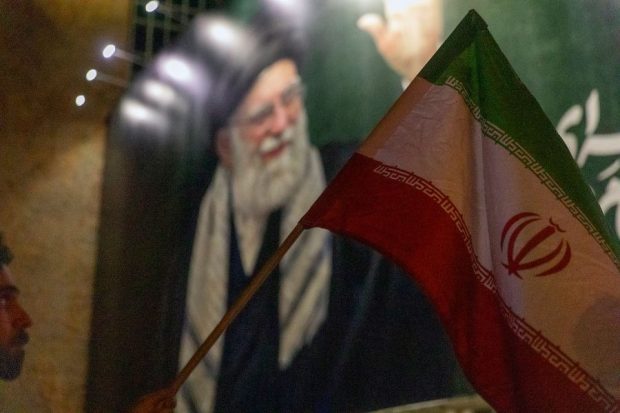
Iranian leaders sought to project resilience despite the strikes. Tehran insisted its military remained capable of continuing the fight and emphasised that the country was focused on defence rather than renewed negotiations. Reports suggested the ‘assembly of experts’, the clerical body tasked with appointing the supreme leader, had been convening in Qom when a building linked to the group was struck. Israeli-linked accounts implied the meeting itself had been targeted, while Iranian media insisted the site was unused or secondary and said the vote for a successor was being conducted remotely for security reasons.
Throughout the afternoon the conflict continued to spread. Explosions were reported near Baghdad airport as Shia militias intensified attacks on American and Kurdish targets in Iraq; a US military facility near Erbil airport in Iraqi Kurdistan was targeted by drones and missiles launched by Iranian-aligned militias.
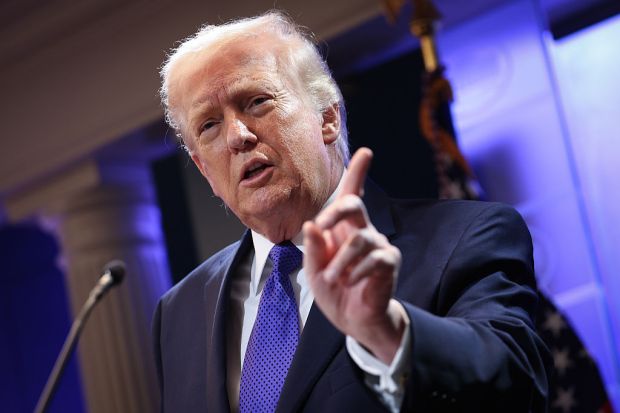
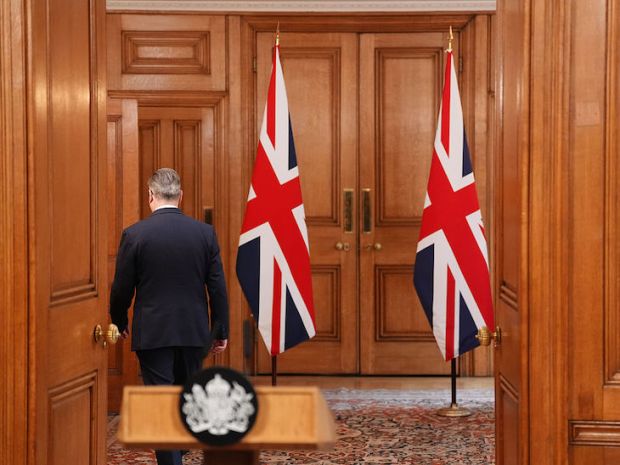
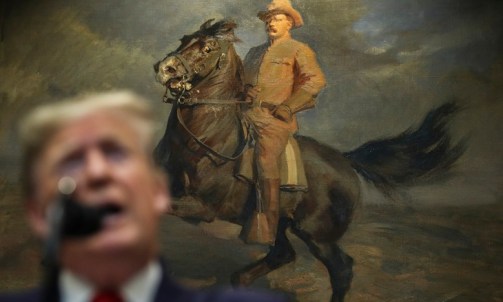
Elsewhere in the region, the French president Emmanuel Macron announced that France would send air defence systems to Cyprus and deploy the aircraft carrier Charles de Gaulle to the Middle East, underlining growing international concern that the conflict could spiral into a broader regional war. Britain announced it would deploy the Type-45 destroyer HMS Dragon and counter-drone helicopters to the eastern Mediterranean, though the move was widely seen as a modest reinforcement. Donald Trump responded with a scathing rebuke of Sir Keir Starmer, saying he was ‘not happy with the UK’, accusing Britain of being ‘very, very uncooperative’ and dismissing the prime minister as ‘no Churchill’.
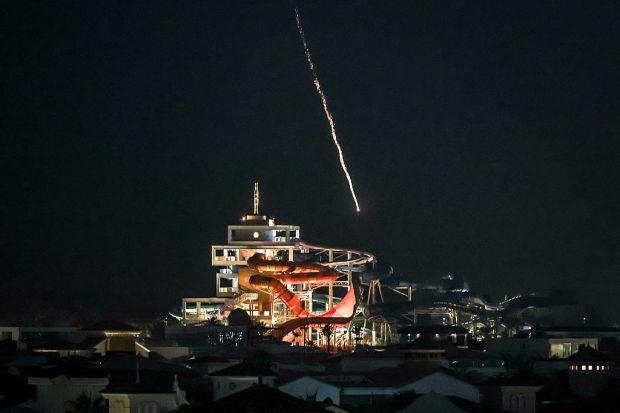
By evening the confrontation had reached Israeli territory once again. The Israeli military said missiles had been launched from Iran towards Israel, triggering air defence interceptions and alerts in multiple regions including the north of the country and the southern city of Eilat. Interceptions were reported in both areas.
Iranian-linked sources simultaneously claimed that hundreds of drones had been launched in coordinated operations against the United States and Israel, though the extent of the attacks remains unclear.
The escalation unfolded against a backdrop of increasingly stark rhetoric from Washington. The Pentagon revealed the identities of four US army soldiers killed in a retaliatory Iranian drone attack in Kuwait over the weekend. President Trump warned that retaliation for attacks on American personnel and facilities was imminent, while arguing that recent military operations had prevented Iran from acquiring nuclear weapons.
As night fell across the region, exchanges of strikes continued across several fronts, from Lebanon and Israel to Iraq and the Gulf, raising fears that the conflict between Israel and Iran has now evolved into a multi-theatre war drawing in both regional militias and global powers.