Heaven knows we could all do with a laugh right now, what with 2026 having begun in such an inauspicious manner, with tumult abroad and a stream of grim headlines at home. It would be a relief to be able to make light of it all, and to skewer the powers that be with a wry and irreverent take on the news.
While the show was in its early years a reliably spirited and raucous affair it lost much of its edge over time. It became partisan and repetitive, obsessed by Nigel Farage, forever deploring the imbecility of Brexiteers and making tiresome jokes about the Daily Mail
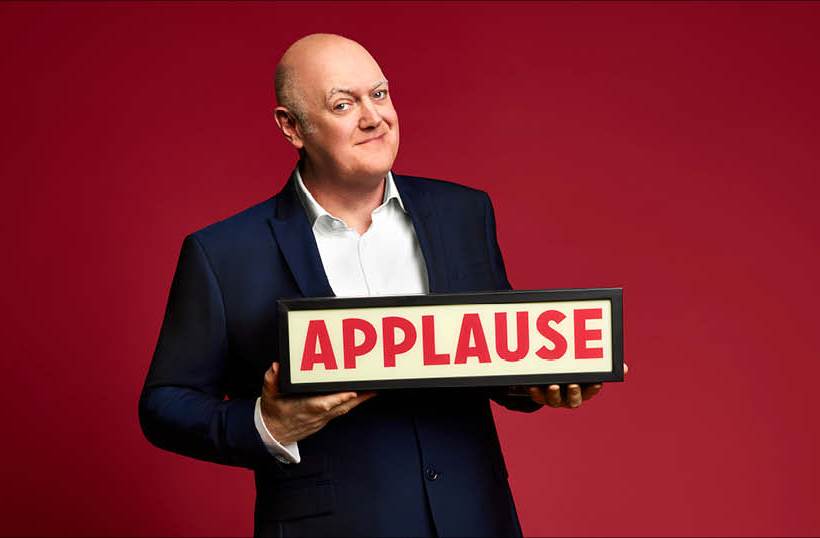
It’s therefore timely to read, following an absence of more than three years, that Mock the Week is making a comeback. As confirmed in the Radio Times, the panel show, axed by the BBC in 2022, is returning to television on February 1 on the TLC channel. Many aficionados of the show – and I count myself as a critical friend – will be delighted to see the return of Dara Ó Briain, its affable and erudite presenter, as well as his deadpan adjutant Hugh Dennis. In an age when so many comedians have been lost to the world of podcasting, it is refreshing to see a show return to the traditional, collective format of television.
Suffice to say that this news won’t be welcomed by all. While the show, first aired in 2005, was in its early years a reliably spirited and raucous affair – its highlight being the dark insights of Frankie Boyle – it lost much of its edge over the years. It became partisan and repetitive, obsessed by Nigel Farage, forever deploring the imbecility of Brexiteers and making tiresome jokes about the Daily Mail. The passing of time after the Brexit vote of 2016 failed to diminish its appetite for mocking the lower-middle classes. The show became, to borrow a phrase from Gareth Roberts, a purveyor of ‘regime humour’.
It’s widely believed that the decision to axe the series in 2022 was taken reluctantly, the Corporation having come under pressure from a Conservative government manifestly impatient with left-wing bias on television. This impression was certainly held by those involved with the programme, with Ed Byrne, otherwise one of its more perceptive and genial guests, fulminating on the penultimate episode about ‘a miserable bunch of Tory c***s who can’t take a fucking joke.’
The show was by no means the sole casualty of the events of 2016, the year that not only saw Brexit but Donald Trump first voted into power in the United States. These events also caused its longer-established BBC stable-mate, Have I Got News For You, to lose its edge and relevance as it adopted a more aloof and sneering tone. That programme still lingers on, as does the magazine Private Eye, another ostensible outlet for comic relief that was ruined by the events of that year. There has been a stubborn inability of some in the higher echelons of society to accept the hoi polloi have the vote. Many in the establishment still refuse to get over what happened in 2016.
That year saw another development which has also had a detrimental bearing on entertainment in general and comedy in particular, the so-called ‘Great Awokening.’ In 2014 the BBC had already banned all-men line-ups on its panel shows. The arrival in earnest of wokery two years later, and efforts thereafter by institutions to implement more diversity in the workplace, made its obvious mark on Mock the Week, as it did – and still does – elsewhere on television. As with all policies based on skin colour and sex, not merit, quality suffered as a consequence.
In an ideal world, one in which everyone was rewarded according to their talents, the likes of Romesh Ranganathan and Maisie Adam, who both became mainstays of the show, would have undoubtedly come to public prominence anyway. Much of the appeal of both comedians derives from their capacity to address, and play with, stereotypes based on ethnicity and class – of growing up Sri Lankan in Crawley or being constantly pigeonholed as working-class for simply being from Yorkshire. The less said of other regular guests in its dying days, Nish Kumar and Rosie Jones, the better, with the latter, a dreadful cynic might argue, being a DEI recruitment officer’s dream.
Will Mock the Week have learnt its lesson, and will it change its tune accordingly? ‘The biggest change for us is that it’s no longer a Conservative government,’ Ó Briain tells the Radio Times. ‘People used to say, “You always talk about the Tories.” Yes, because they were the ones doing stuff! Now, it’ll be about Keir Starmer and Rachel Reeves.’
Let’s hope so. They could do with some mocking, and we could do with some laughs.