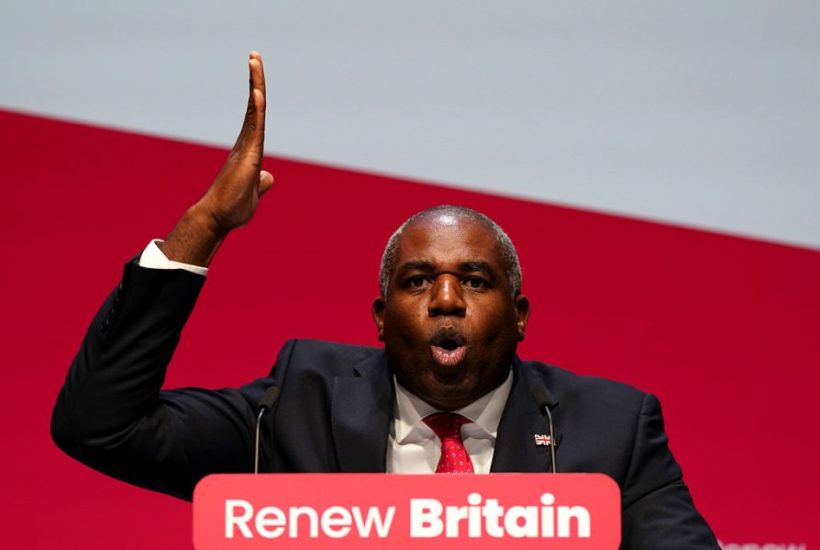
If you speak to Labour MPs about looming battles in the new year, most are quick to mention the elections in May. But an almighty scrap is shaping up beforehand over David Lammy’s bid to strip back jury trials. There is deep unease about the Justice Secretary’s plan, with dozens of MPs expected to publicly criticise the proposals. Angela Rayner – regarded by some within the party as the queen over the water – is believed to share such concerns. She has reportedly told allies that there are serious unanswered questions about access to justice and whether restricting juries would really cut the court backlog of 80,000 outstanding cases.
Public opinion is against Lammy’s reforms, according to Opinium polling for The Spectator. Some 37 per cent oppose the proposed changes while 29 per cent support them. Labour voters are the most open to changes to jury trials, with 43 per cent in support and 30 per cent opposed. But 2024 Reform voters (53 per cent oppose, 22 per cent support), Green voters (50 per cent oppose, 16 per cent support) and Conservatives (46 per cent oppose, 26 per cent support) are all against it. However, courts are seen as one of the worst-performing parts of the justice system: 46 per cent think they are doing their job badly, while less than a fifth (19 per cent) think they are doing it well.
Leading the charge against Lammy is Karl Turner, a hitherto loyal Labour backbencher. First elected in 2010, he backed Keir Starmer for leader and boasts that he has never voted against the party whip in 15 years. Yet the proposal to curb juries has transformed Turner, who is now demanding Lammy’s resignation. Over the weekend, he turned his guns on the Chief Whip for his handling of backbench concerns on this issue. ‘I’m afraid to say this but Johnny Reynolds isn’t capable of sorting this’, he said on Times Radio. Turner revealed that after a meeting with Reynolds, he had received ‘a text from a whip telling me to “please calm down”, or words to that effect. Don’t tell me to calm it down, I’ve been in there 15 years. It’s rare for me, in fact it’s incredibly unlikely and unusual.’
There are two issues at stake here. The first is the rights and wrongs of Lammy’s proposals. But the second is the wider management of the parliamentary Labour Party. It is highly unusual for backbenchers to be making such public criticisms of the Whips’ Office, this early on in a parliament. It is a sign that, in the words of one veteran, ‘something is rotten in the state of Denmark.’ Lammy’s allies argue that his proposals are necessary if Labour is to put victims first. But with the authority of both the Prime Minister and his Chief Whip both damaged, the question is whether they will survive contact with the backbenches. Given the government’s recent run of reversals, it is not yet clear that they will be able to get these proposals through parliament when the crunch comes.