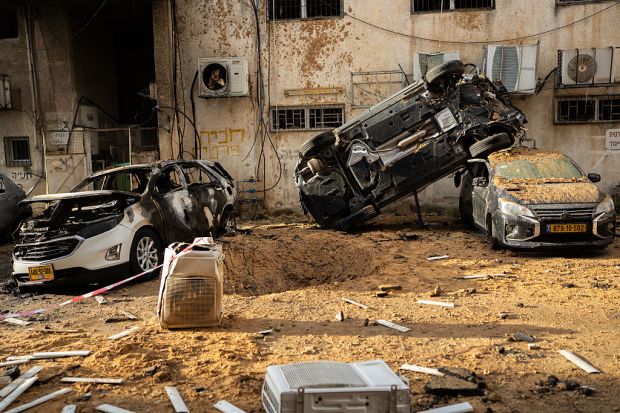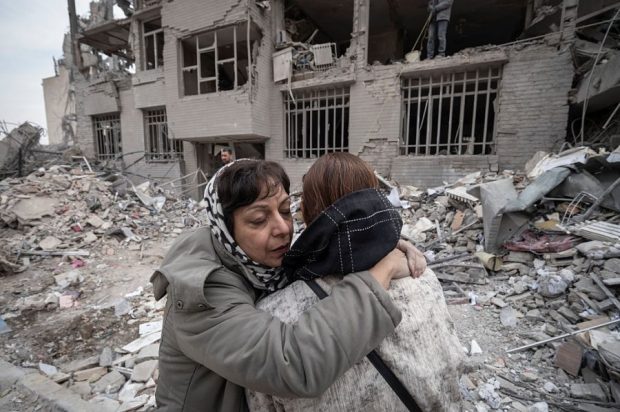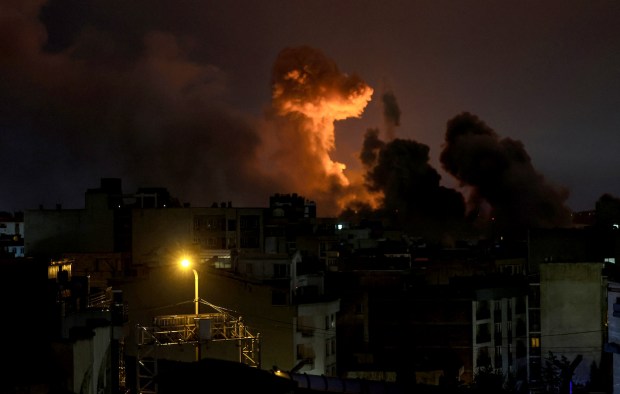
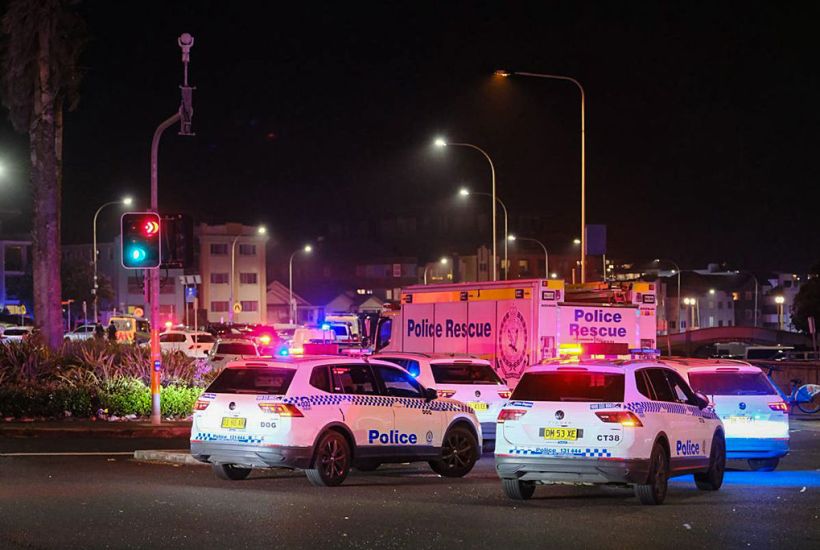
The attack at Bondi beach during a Hanukkah celebration, killing nine, has sent a fresh wave of horror through the Jewish diaspora. What might once have been regarded as unthinkable – a targeted assault on a Jewish gathering in the heart of a peaceful, democratic society – has now become grimly recognisable. It must be placed starkly within the context of a global surge in antisemitic violence.
What might once have been regarded as unthinkable has now become grimly recognisable
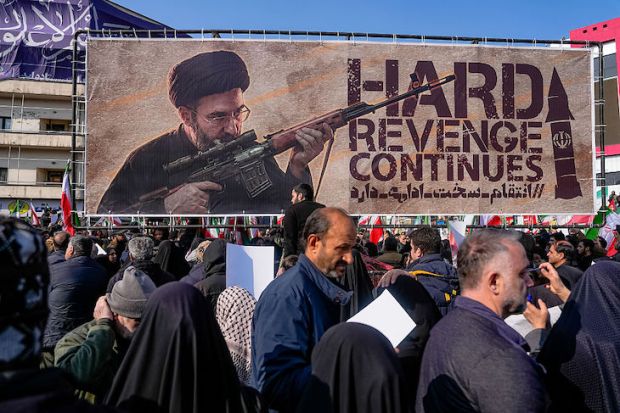
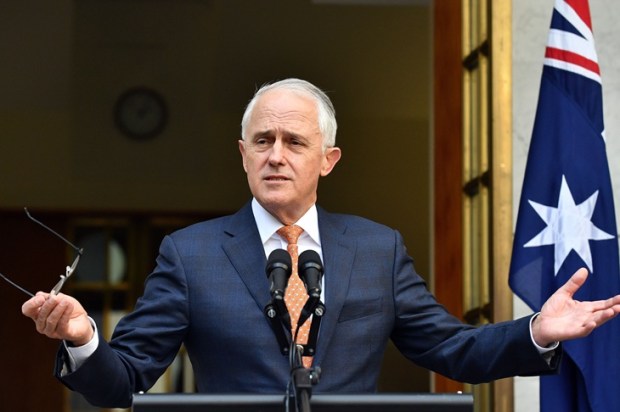
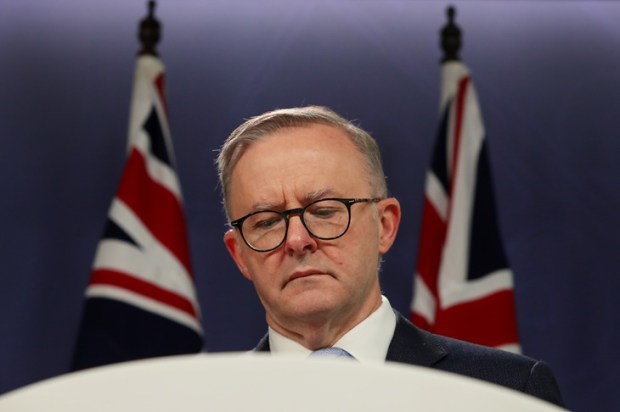
To grasp the scale of what is unfolding, one must look beyond Bondi. Australia has seen an alarming escalation of anti-Jewish violence throughout 2025. From the firebombing of the Adass Israel synagogue last December to a series of arson attempts in Sydney and East Melbourne, Jewish places of worship have become soft targets for ideologically motivated aggression. The Australian government’s decision in August to expel Iranian diplomats for orchestrating antisemitic attacks highlights the more coordinated and sinister drive against Jews taking place across the world. We are not immune here in the UK.
Yet the most chilling aspect of this trend is not the brazenness of the violence, but the indifference that often greets it. The failure of political leaders to respond decisively, swiftly, and unambiguously is not just a matter of optics, it is a matter of moral and strategic failure. A scheduled tweet from Prime Minister Keir Starmer, offering warm Hanukkah wishes without even acknowledging the unfolding attack, exemplified this kind of bureaucratised aloofness. No official, however well-meaning, should be permitted to hide behind the machinery of public relations in moments of communal trauma.
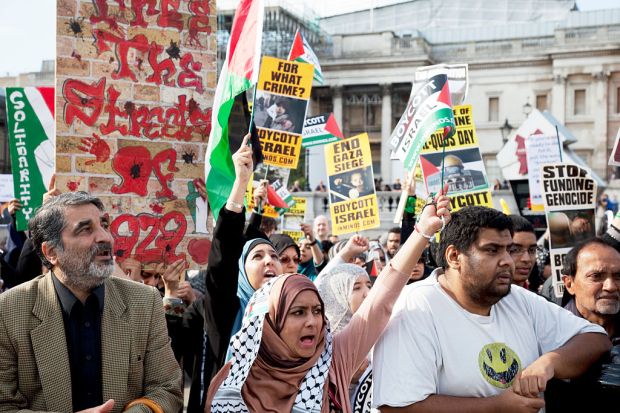
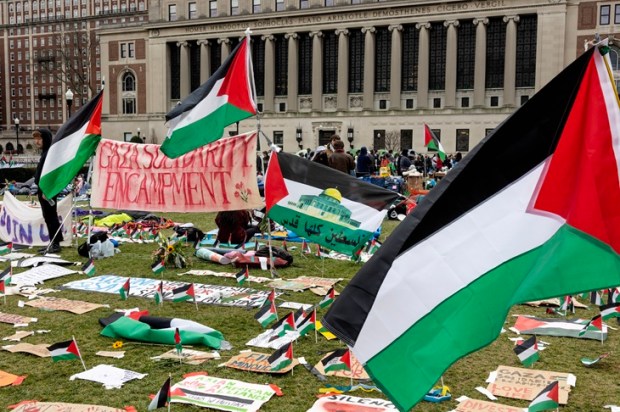
Jewish communities around the world have been raising the alarm for months. Security cannot begin at the perimeter of a synagogue or a festival site; it must begin with the political will to challenge, disrupt, and dismantle the networks that enable hate to flourish. Permitting open calls for intifada on western streets, tolerating repeated displays of genocidal rhetoric in the name of protest, and treating Jewish fear as a partisan inconvenience are not just failures of decency, they are failures of governance.
The Hanukkah attack in Australia carried a bitter irony. The festival itself commemorates the Jewish resistance against forced assimilation and erasure under the Seleucid Greek regime in the second century BC. It is a story not only of spiritual resilience, but of military defiance against imperial coercion. The public lighting of candles, so visible, so proud, so unmistakably Jewish, has always been both an act of memory and an act of presence. To attack Jews at such a moment is not merely to strike at a community, but to assault the very idea that Jews may exist publicly and unafraid.
This is why the response must be equally public, equally unafraid. Democratic governments cannot remain spectators to a worldwide campaign of anti-Jewish intimidation, whether it comes from foreign agents, domestic extremists, or self-righteous ideologues masquerading as human rights defenders. The notion that Jewish security can be managed by discreet policing and polite interfaith dialogue has been shattered. What is needed now is a categorical reassertion of the state’s monopoly on protection, and of its unambiguous opposition to those who seek to terrorise any religious or ethnic minority, or to challenge what once were western norms and values, built on the gift and example of Jewish ethics and tradition.
For Jewish people, the sense of siege is becoming intolerably familiar. The killing of two people in a Manchester synagogue on Yom Kippur, the desecration of Jewish symbols across European capitals, and now the bloodshed in Bondi are not isolated outrages. They are symptoms of a deeper malaise: a civilisational forgetfulness about where hatred begins, and where it leads.
Western states must stop treating Jewish suffering as a niche concern, or worse, a political liability. They must treat it for what it is: a test of their own integrity.
The candles of Hanukkah will still be lit. They will flicker against the dark not only in memory of ancient deliverance, but in defiance of present danger. The question is not whether we Jews have the courage to carry on. We do. The question is whether our governments have the courage to stand with us, before the darkness spreads further.