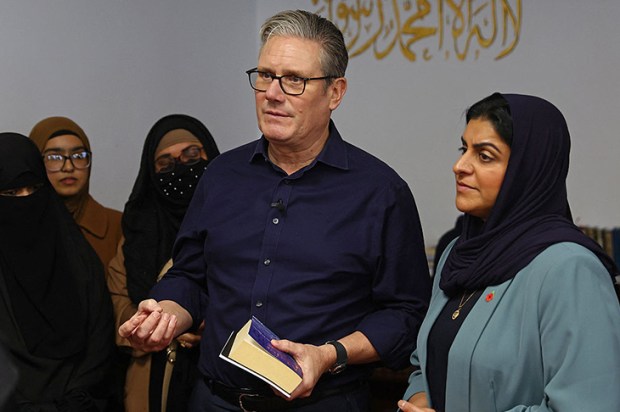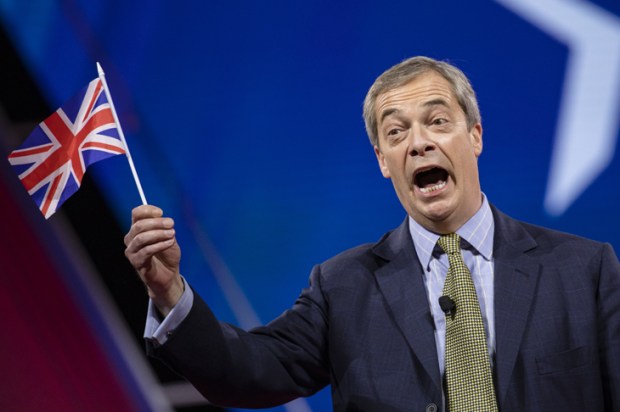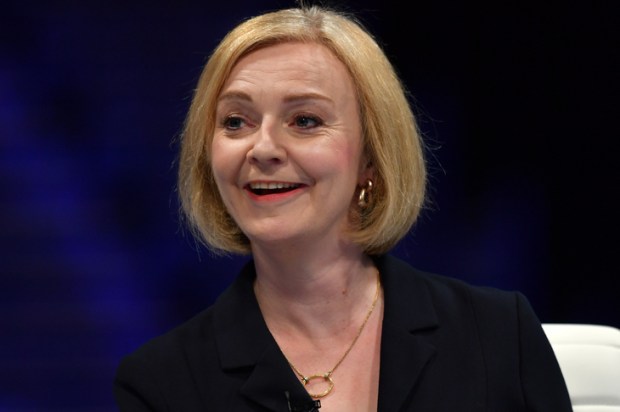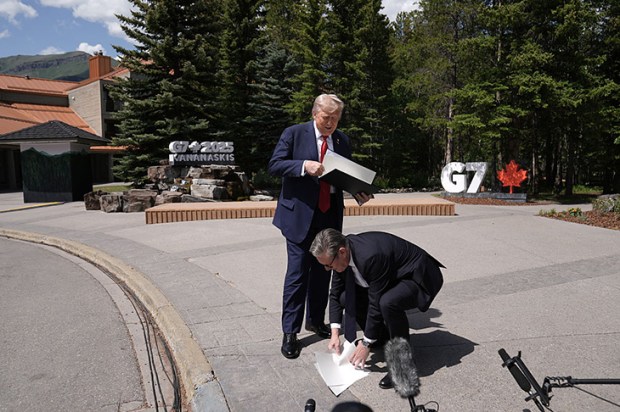
In an episode that British Prime Minister Keir Starmer no doubt would prefer was forgotten, a little over a year ago, soon after he won the election, 100 Labour activists were cheered off to the US to help Kamala Harris win the White House. Maga America was predictably enraged.
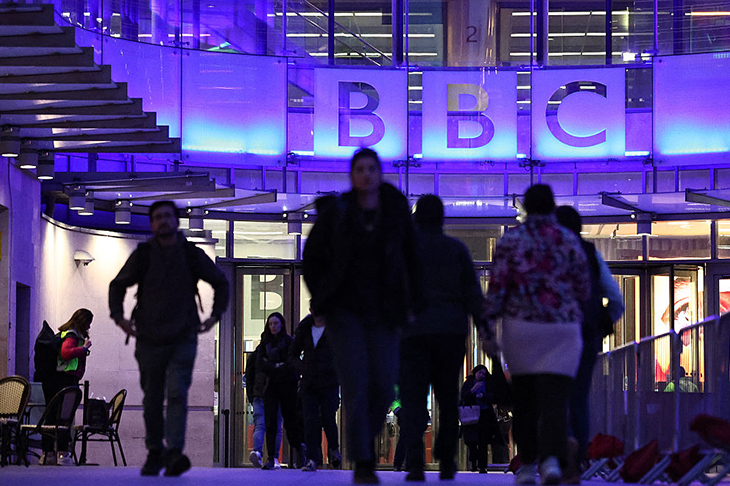
The BBC, cock-a-hoop that the left was finally back in government, did what it could to help. The Panorama programme it ran a week before the US election, as we now know from the internal dossier of ex-BBC editorial advisor Michael Prescott leaked to the UK Telegraph, deceitfully changed a speech by Donald Trump on 6 January 2021 to make it seem he incited supporters to riot at the Capitol that day, when in reality he had urged them to protest peacefully.
It’s hard to think of a more grotesque perversion of journalist ethics. The BBC has claimed variously that its butchering of Trump’s speech was just a ‘mistake’, that it was done so the audience ‘could better understand how it had been received by President Trump’s supporters’ and that it ‘broadly reflected the truth’ about Trump’s actions. The manipulation was clearly a calculated act designed for a political end – especially as it’s also emerged this wasn’t the first time the BBC had done it.
That all this has blown up in the BBC’s face has left Starmer, not for the first time, looking weak and vacillating. At first he said he had ‘full confidence’ in director-general Tim Davie. But within a day of White House spokeswoman Karoline Leavitt reacting to the story by calling the BBC ‘100 per cent fake news’ and ‘a leftist propaganda machine’, Davie and head of news Deborah Turness had resigned.
The BBC eventually made the most grudging of apologies for ‘a mistake’. It refused to accept that its news output had any institutional leftist bias, which Prescott had set out in compelling detail. Meanwhile Davie jabbered absurdly about ‘enemies’ behind the BBC’s humiliation, rather than acknowledging more obvious explanations.
The BBC clearly feels no change is necessary in the wake of the scandal. Samir Shah, the dithering head of the BBC board, was aware of the Panorama scandal as early as January this year, but did nothing. After finally buckling to pressure to apologise to Trump, he coupled this with an up-yours by replacing Turness with her deputy, Jonathan Munro.
This astonishing decision made nonsense of Shah’s apology. Munro had fiercely defended the Panorama programme, claiming the doctoring of Trump’s speech was ‘normal practice’ and that ‘there was no attempt to mislead’. Moreover he’s implicated in a long list of other BBC scandals – including the waving through of a Gaza documentary narrated by the son of a Hamas minister, and his defence of BBC Arabic, widely known as the Hamas Broadcasting Corporation. Munro reportedly has consistently ignored complaints from staff about the grip of the BBC’s fanatical trans-enforcers on news output.
All the signs point to business as usual at the BBC. In the midst of the Panorama furore, it emerged that newsreader Martine Croxall had been reprimanded for her common-sense changing of a reference to ‘pregnant people’ to ‘women’. And, echoing Trumpgate, the BBC’s reporting of Tory leader Kemi Badenoch’s response to the Prescott dossier story left out this sentence: ‘On basic matters of biology the Corporation can no longer allow its output to be shaped by a cabal of ideological activists’.
Shah’s apology to President Trump included a flat rejection of his demand for compensation. Trump showed what he thought of this by confirming that he would sue the BBC for defamation and that the claim for damages had just gone up from US$1 billion to US$5 billion. The BBC might in the end have second thoughts and try for an out-of-court settlement. But whether it takes that course or fights Trump’s legal action in the US, UK taxpayers will be paying for the smug stupidity of leftist staff who got the BBC into this mess. And it can’t be excluded that Trump might win, especially if there’s a jury trial in his home state of Florida.
The shambles the BBC has got itself into won’t shift the deep leftist bias that runs through its output while Labour remains in office. While they ritualistically stress their commitment to impartiality, in the next breath BBC staff often openly reveal themselves as biased, with sneering leftish metropolitan views: political journalist Nick Robinson has said that at the BBC ‘no one’ supported Trump, except perhaps ‘the guy who fills the coffee machine’.
The diversity and inclusion the BBC likes is the kind that sees medieval England fantasised as as racially mixed as modern Islington, not a diversity of political views. Seriously addressing its political bias would require a wholesale purge of staff. Even left-leaning ex-BBC veterans like Andrew Marr acknowledge it’s politically biased and complain that the younger generation of journalists resist impartiality, insisting on their right to be political activists and the correctness of resisting airtime to the likes of J.K. Rowling or Rod Liddle, let alone climate-change heretics. As many observe, many of its staff see leftism not as bias but as the only decent way to look at the world. Everything else is racist, Terf, climate-denying fascism.
Labour is already anxious about many of its supporters drifting further left to the Greens. So it will go soft on the BBC and is unlikely to threaten the archaic licence fee, the £174 annual tax on anyone with a television – enforced on pain of criminal penalties – which provides about 70 per cent of the BBC budget.
The BBC will be compelled to change only if the opinion polls are right and Labour is replaced by a Reform UK government. The licence fee would then go and the current BBC empire would be broken up, with a radically slimmed-down government-funded free-to-air service focused on news, under strict impartiality supervision, with its other programming expected to operate as voluntary subscription services.
These changes would go a long way to restoring the BBC’s once unsurpassed reputation and ensuring its survival.
Even among the BBC’s fiercest critics, most want it again to resemble what it was, not to disappear.
Got something to add? Join the discussion and comment below.
@markhiggie1
You might disagree with half of it, but you’ll enjoy reading all of it. Try your first month for free, then just $2 a week for the remainder of your first year.